The Rebirth of Mediterranean Heritage Estates
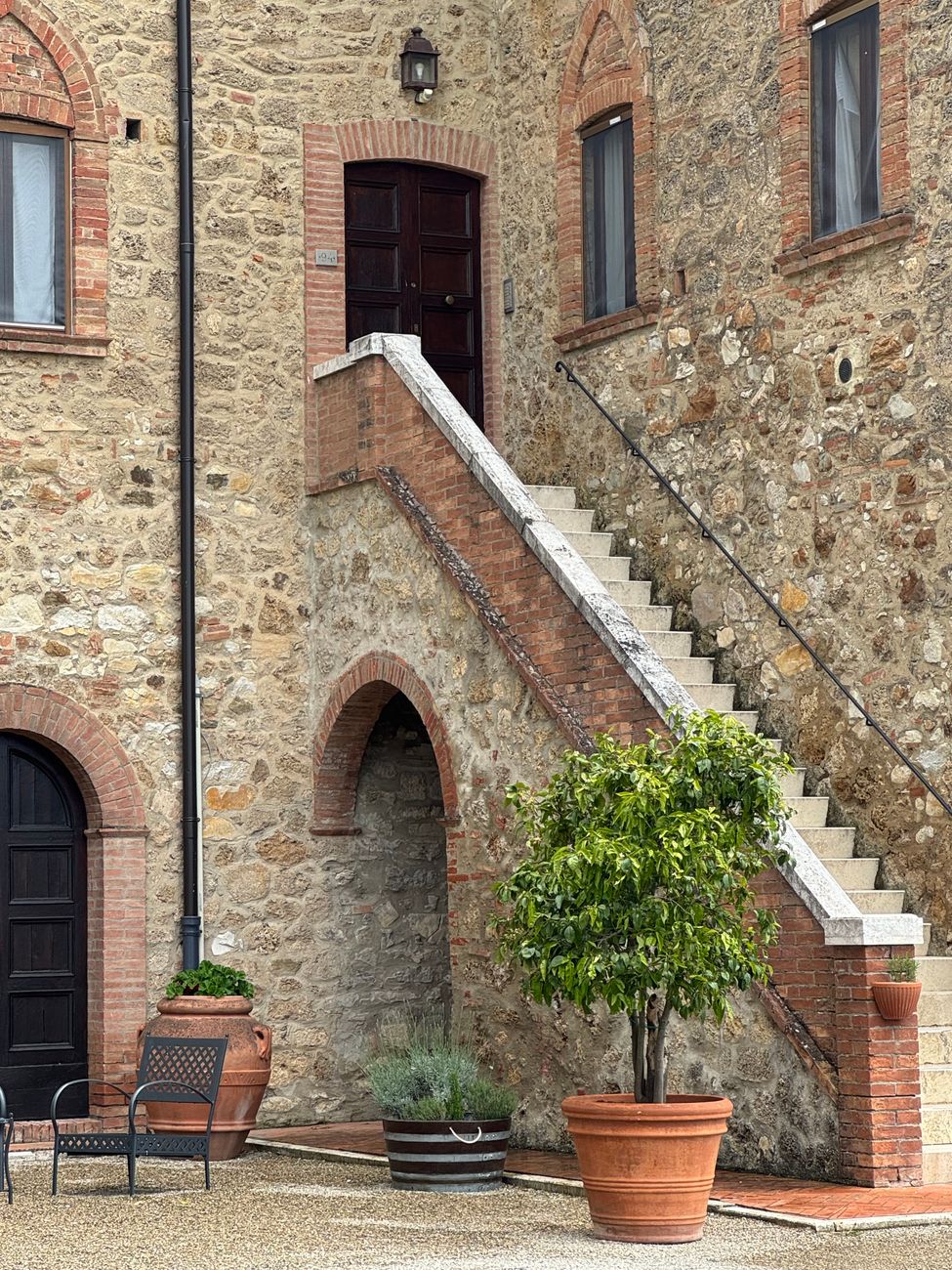
Across the sun-baked limestone ridges of central Italy, a quiet revolution is replacing ostentatious resort developments with deliberate agrarian restoration.
For centuries, the classical Italian podere functioned as an integrated ecosystem: olive groves terraced along drainage slopes, heirloom cereal crops rotated among oak copses, and thick tufa stone walls shielding inhabitants from blistering summer heat. During the late twentieth century, many of these rural strongholds fell into disrepair as populations migrated toward coastal metropolises.
Restoration Without Artifice
Today, a new generation of architects and cultural custodians is reclaiming these sanctuaries. The objective is not to build glossy boutique spas, but rather to enact architectural humility. Preserved timber lintels, porous lime plasters, and unpolished travertine are chosen over modern synthetic fixtures.
"True luxury in the modern epoch is silence and clean water," explains Matteo Rinaldi, whose family has cultivated vines in Val d'Orcia since 1884. "When travelers stay on these lands, they eat produce harvested that very morning within thirty meters of their table. The rhythm of the season governs every hour."
Field Notes for Voyagers
- Optimal Season: Late September through November for olive pressing and truffle season.
- Transport: High-efficiency hybrid electric vehicles recommended for steep dirt white-roads (strade bianche).
- Etiquette: Respect private vineyard boundaries and local agricultural water rights.
The Future of Slow Tourism
By capping visitor occupancy at fewer than twelve suites per property, these estates protect regional aquifer levels and ensure intimate, reciprocal encounters between host communities and international travelers. As conscious travelers, choosing properties anchored in regenerative agriculture ensures our wanderlust preserves the very landscapes we adore.

Julian Vance
European Field Correspondent